Before the Work Begins
Scott Falkowitz, OHST, CHST,
Client Success Director – FactorLab · June 2026
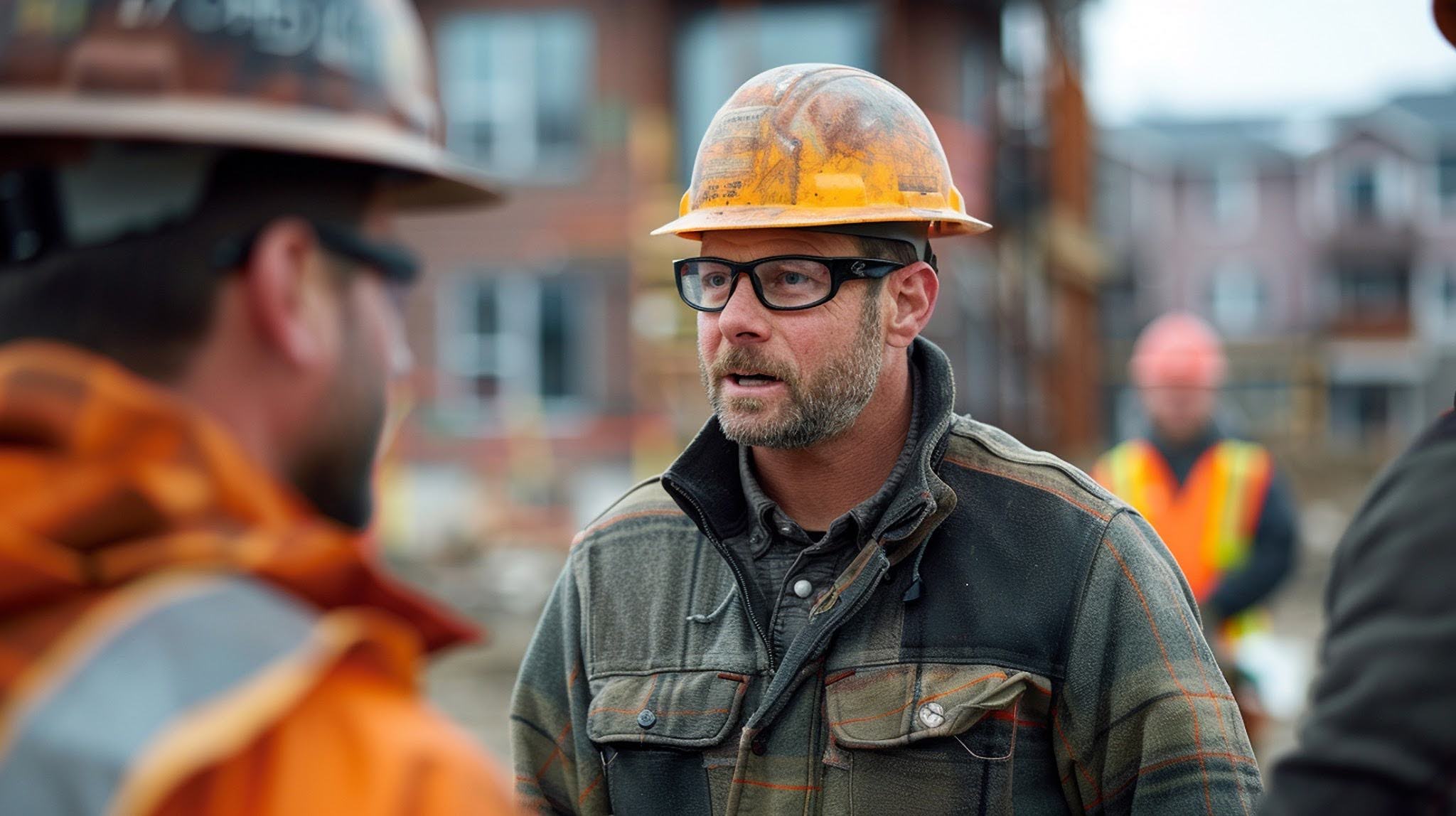
Every morning, before work begins, a crew gathers. Someone walks through the plan. A few minutes pass.
What happens in those few minutes shapes how work is understood, how hazards are identified, and how people look out for one another.
Meaningful planning conversations don’t just happen. They have to be defined, developed, and led.
We’ve spent decades getting very good at measuring the wrong things. After 25 years across construction sites, telecom projects, and industrial operations, that’s the pattern I keep coming back to. Inspection counts and recordable rates tell you something. They’ve never told you whether the crew actually understood the plan that morning.
The starting point isn’t technology, and it isn’t data. It’s a question most organizations have never seriously answered: what does a good planning conversation actually look like?
That’s the question I explore in my new article, Why World-Class Safety Starts with Better Conversations.
Most safety programs can tell you how many planning conversations took place. Very few can tell you whether any of them were actually good.
The challenge isn’t getting people to have the conversations. It’s agreeing on what good looks like.
Without a common understanding of strong planning, performance will be inconsistent, coaching will be subjective, and crews can’t make clear progress.
The organizations getting this right have made “good” concrete: care and respect are present, high hazards are identified with effective controls, the work plan is understood, and everyone participates with intent. Then they build leadership development around that definition.
Safety leaders at Turner Construction, Layton Construction, Nabholz Construction, and Flintco Construction each speak to what this shift looks like in practice, moving from counting activities to developing the leadership behaviors that shape work before it begins.
I also examine where technology fits into this work. At its best, it amplifies leadership and surfaces meaningful patterns. At its worst, it adds complexity without improving outcomes.
“Adding more forms, checking more boxes, measuring rates and dictating topics only creates safety performance theater, which masks the absence of real progress.”
If you lead safety, operations, or frontline teams, I invite you to ask one simple question:
Have we defined what a great planning conversation actually looks like?
If the answer isn’t clear, I hope you’ll read Why World-Class Safety Starts with Better Conversations and consider what world-class organizations are doing differently.
Read Why World-Class Safety Starts with Better Conversations